
The Worlds Favourite Habit: Coffee Around the World
Thirteen weeks, thirteen countries, thirteen stories of coffee culture, rituals and connection from around the world.
22nd April 2025 • International
Coffee isn’t just a drink - it’s a story.
A story of cultures, innovation, and connection.
At Geolytix, we brewed something special: a series of posts celebrating the daily ritual that provides comfort and brings people together across the globe.
From the bustling streets of Tokyo to the boutique cafes of Melbourne, our team will take you on a journey to discover the phenomenon of coffee in thirteen countries.
☕️Coffee in... Japan
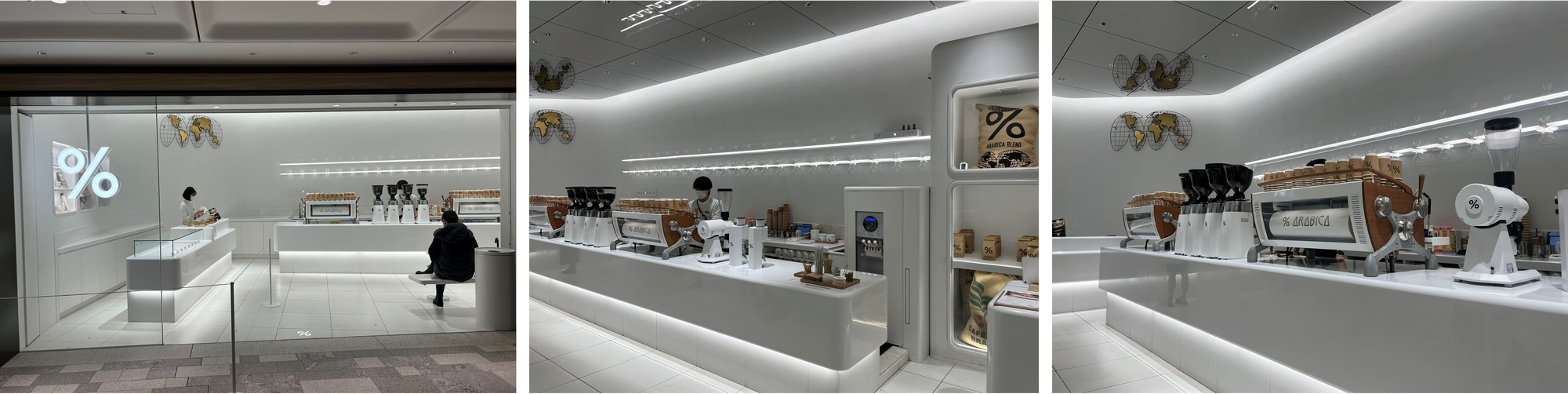
I’ve found myself encountering % Arabica’s clean, minimalist vibe quite a bit recently – in Riyadh last November, Covent Garden, London just before Christmas and yesterday closer to home in Azabudai Hills, Tokyo.
Headquartered in Kyoto and founded only 11 years ago, the rapid international expansion of this brand has been impressive – currently in 28 countries and with plans to enter quite a number more (Hungary, Spain and Nepal are the next markets to launch), they are keeping pace with the much larger global coffee chains in terms of new market entries over the last 2-3 years. However rather than rolling out a brand and format that’s well-established in a home market into new territories, it appears Arabica’s mission is to be a global brand, albeit with a concept inspired by their Japanese origins, from the start, encapsulated by their “see the world through coffee” slogan (they only have 7 locations in their home market out of approx. 220 globally which is a very different ratio to the major global players).
Here in Japan Arabica are part of the rapidly growing, so-called ‘third wave’ of specialty coffee brands and independents which, like in many parts of the world, have been enthusiastically embraced by consumers and are now an integral part of the local coffee ecosystem. This offers something for everyone and serves every coffee need or mission, from traditional coffee shops (kissaten) some with storied histories dating back to the late 1900s, to the familiar global and local chains including Starbucks and Doutor, the (quite decent in my opinion) coffee available cheaply at any convenience store through to the various ready to drink offerings in cans and bottles from vending machines for when that caffeine hit is all that is required.
Luke Whittam, Business Development Director at GEOLYTIX
☕️Coffee in... Poland
Following in the footsteps of my colleague Luke, I’d like to share some of my impressions of the coffee market in Poland. I’ll make this a bit more personal by drawing on my experience living in Korea—a true coffee heaven. Seoul, for example, has more coffee shops per 1,000 inhabitants than New York, Paris, or London. During my time there, I found myself surrounded by four Starbucks and over 20 other coffee brands within a five-minute walk from my office. It wasn’t unusual to queue for at least 30 minutes just to get a cappuccino during lunchtime!
When I returned to Poland about 10 years ago, I expected a similar coffee boom to take place here. Given that Poland was on a trajectory to catch up with more developed markets, I thought it might take some time, but eventually, it would happen. However, I don’t think that trend has fully materialized.
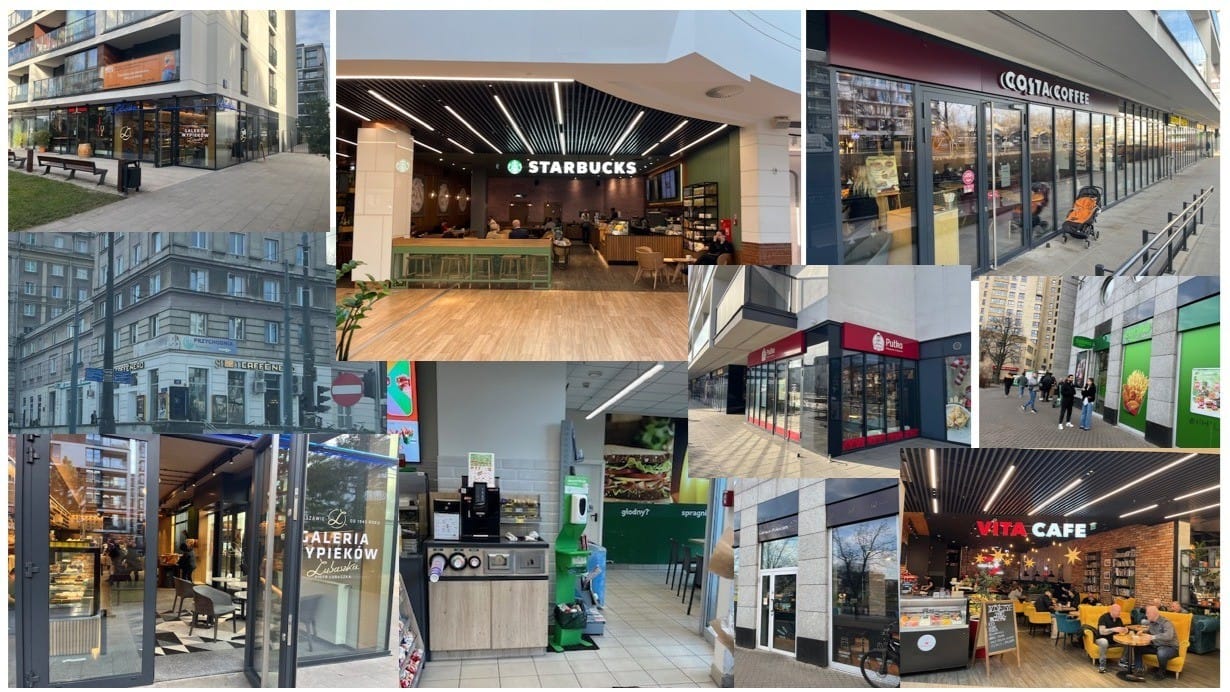
Poland does have three major international coffee brands: Starbucks, Costa, and Green Caffé Nero. However, their presence is still modest, and their expansion plans are fairly conservative. Costa leads the pack with around 100 locations nationwide, followed by Starbucks and Café Nero, each with roughly 80 locations. Despite these international players, local independent operators still dominate the market. There are approximately 30 local chains with at least 10 locations, and more than 300 smaller operators with at least one store, collectively making up over 80% of the market share.
Among the local players, Cukiernia Sowa stands out as the clear leader, with around 170 locations and perhaps the most ambitious expansion plans of all the big names. However, it’s important to note that Sowa isn’t your typical coffee shop operator like Costa or Starbucks. Instead, it’s more of a confectionery chain, selling cakes and sweets with coffee as an additional offering. Bakeries also play a significant role in the market, as they have long been an integral part of Polish culture. Poles love their bread, and while local bakeries have always offered quality products, many have recently updated the look and feel of their stores and added coffee to their menus, resulting in rapid local expansions. These trends are quite specific to Poland and differ from those observed in other markets. However, they certainly contribute to the overall structure of the coffee landscape here.
Another unique aspect of the Polish market is Żabka, a major convenience store operator with more than 11,000 locations nationwide. With limited geographical growth potential, Żabka has capitalized on its dense network and now offers an expanding range of products, including coffee. This concept is similar to convenience stores in Asia, where coffee, breakfast, or lunch is often available, and the shops function more like small bars than traditional grocery stores.
This is just a brief overview of the Polish coffee market. If you're interested in more insights or need data on demographics, retail trends, or foot traffic, feel free to reach out to us. We’d be happy to help!
Jacek Biel, Director CEE at GEOLYTIX
☕️Coffee in... Australia
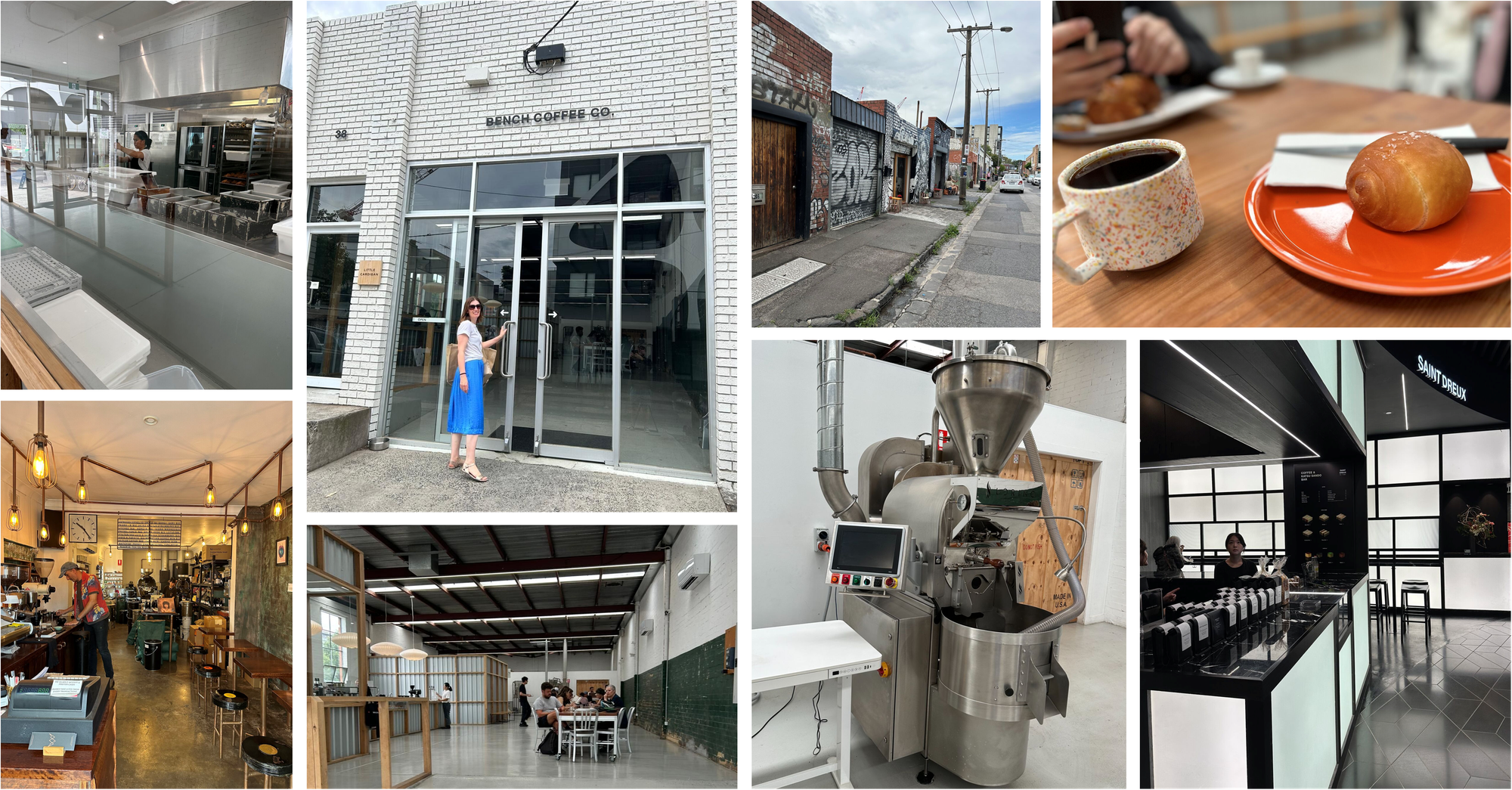
One approaches the small cellar door, down a narrow back street in one of Melbourne's inner suburbs, with a degree of anticipation. Anticipation of drinking something dark and delicious. Something carefully and skilfully extracted, from produce lovingly grown. Although this might sound like the story of a grape, it is in fact the tale of a coffee cherry.
Australians have a well known love, love relationship with coffee. It bloomed in the middle of last century with the influx of Italian immigrants (and their espresso) and we’ve never looked back. We have a particular and strongly held affection for specialty coffee and the baristas who create it. This has led to a strong culture of independent, locally owned and operated coffee shops.
The specialty coffee sector in Australia is a microcosm of global trends and arguably where we can look for future trends. Looking back, it’s where the now internationally beloved Flat White originated (NZ we’ll argue about it later!). Looking forward, we see the tightening of the connection between coffee grower and consumer, the emphasis on sustainable production, the scientific approach to gently extracting the full gamut of flavour from the coffee bean and the appreciation of these in the consumer experience.
That small cellar door on the narrow back street belongs to Disciple Roasters. Working directly with farmers to create 15 premium coffees, they process out the back and sell to customers at the front. Living and breathing their desire to tamper as little as possible with the coffee cherry through all elements of the roasting, brewing, packaging and transportation journey.
Up the road, Bench Coffee Co. have their roastery and café, with bakery in one corner, seating in the middle and coffee production equipment at the rear, allowing customers to immerse themselves in the experience, sights and smells of the brew. Menus at the Bench cafes are definitely ‘coffee first’, complemented with a curated selection of edibles. In the Brunswick Roastery this includes shokupan toast (a Japanese milk bread), in their flagship espresso bar in the city a house-baked dacquoise, in the Emporium (a premium shopping mall in the heart of Melbourne CBD) they take inspiration from the traditional Japanese kissaten.
It's not hard to see similarities between the Melbourne artisanal coffee scene and the reverence given to growing and experiencing fine wine.
Samantha Colebatch, Director at GEOLYTIX
☕️Coffee in... Italy
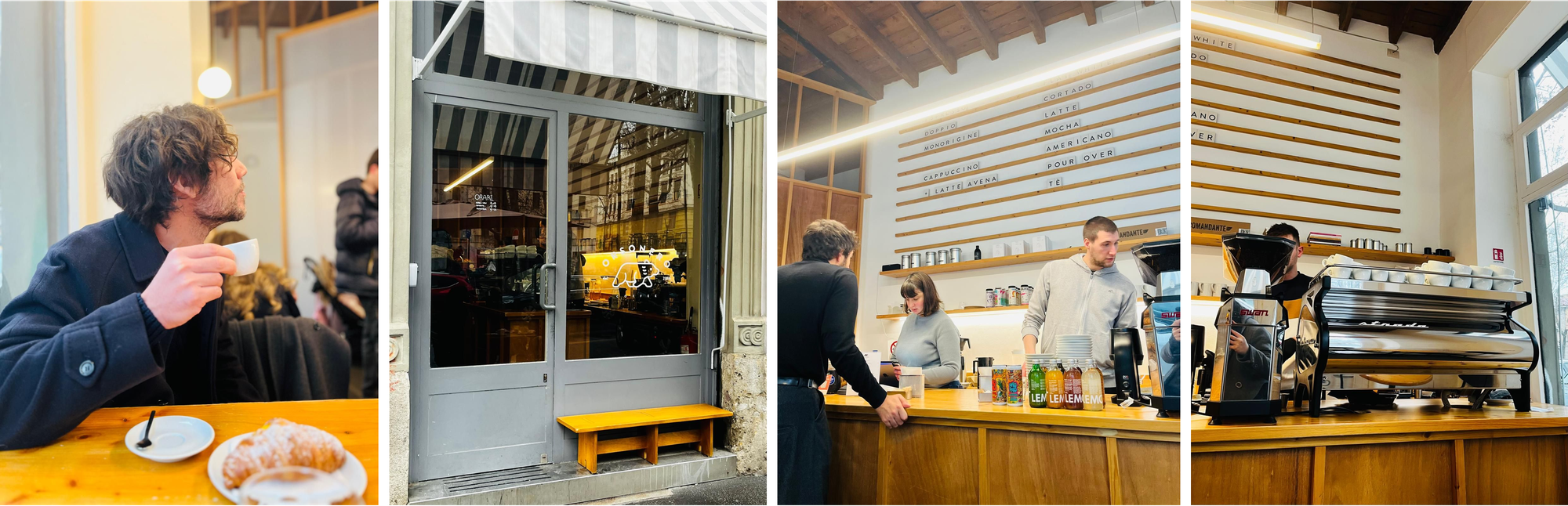
Coffee, Italy, and from an Italian perspective…𝘔𝘢𝘮𝘮𝘢 𝘮𝘪𝘢, where should I start! In Italy coffee is a lot more than just caffeine, it’s something deeply embedded in our culture, in our traditions and in our life. From the first one in the morning, coffee marks the rhythm of our routine, and we religiously love it.
There is a scene in “You’ve got mail”, a movie that I used to watch every fall with my sister, that always made me reflect on how unique the coffee culture is in Italy. While Meg Ryan queues for a takeaway coffee, Tom Hanks’ voice-over explains that the purpose of big coffee places was ‘for people with no decision-making ability whatsoever to make six decisions just to buy one cup of coffee: short, tall, light, dark, caf, decaf, low-fat, non-fat, etc. So, people who don't know what the hell they're doing or who on earth they are can, for only $2.95, get not just a cup of coffee but an absolutely defining sense of self: Tall. Decaf. Cappuccino’.
For me, and especially in an Italy of almost 30 years ago, coffee was absolutely nothing like that and not because of any special decision-making ability.
First, unlike in other countries where global chains dominate, Italy’s coffee scene has always been ruled by independent small, family-run 𝘣𝘢𝘳 (yes, that’s what we call cafes!). While international brands have recently made inroads, at the moment they still remain a niche presence.
Second, we do not have a huge takeaway culture. Even today, we are still quite loyal to the traditional standing bar experience, where we quickly drink a coffee (which costs little more than €1) while chatting with a friend, another customer, the barista or simply taking a quick look at the daily newspaper.
Third, and most importantly: the traditions and the RULES! Back when that movie was released, I think I had only two options: espresso or cappuccino. The offer is surely richer now, but if you order 𝘶𝘯 𝘤𝘢𝘧𝘧è you will receive an espresso, as simple as that, and if you try to order a latte, you’ll probably end up with a glass of milk (𝘭𝘢𝘵𝘵𝘦 means milk and not everyone knows another latte exists!).
Along with a richer offer, many Italian cities - such as Milan, where I live - are now seeing a rise in more modern, specialty coffee shops. These places focus on high-quality products, have a more global approach but they still remain very connected to our traditions and culture. That said, even as the coffee scene evolves, some rules will never change: after 11 AM, no cappuccino! No discussions.
What do you think? Can Italy’s classic coffee culture coexist with new trends?
Alessandro De Martino, Spatial Data Engineer at GEOLYTIX
☕️Coffee in... South Africa
South Africa has firmly established itself as home to many sought-after fine wines. However, when we shift our focus to the country’s coffee culture, we can see that a deep appreciation for quality coffee is a more recent development.
South Africa’s ‘coffee renaissance’ trailed behind that of countries such as, Ethiopia, Kenya, Brazil, Italy, France, and many more. As a historically tea-drinking nation, the coffee scene has undergone remarkable changes within the past two decades. From its humble beginnings, which saw instant coffee as a staple in most homes, to a thriving industry that boasts internationally-renowned coffee shops. This shift began in the late 1990’s, when the country became hugely influenced by the international coffee scene. Following the end of the Apartheid regime in 1994, global travel became more accessible and South Africans were returning home, having visited coffee shops abroad. From this, the seeds were planted to recreate these coffee experiences in South Africa.
General excitement around coffee started to boom in the early 2000’s. Cape Town quickly became the darling of South Africa’s coffee scene, with cafés and coffee hubs embracing global coffee trends. Menus proudly exhibit words such as, “artisanal” and “speciality-grade”. Additionally, many coffee shops offer patrons a uniquely South African twist on the classics, such as rooibos cappuccinos, milk tart lattes, and Amarula coffee (a.k.a Safari Coffee or Bush Mix). Through variations such as these, some of the local flavours of South Africa are able to shine.
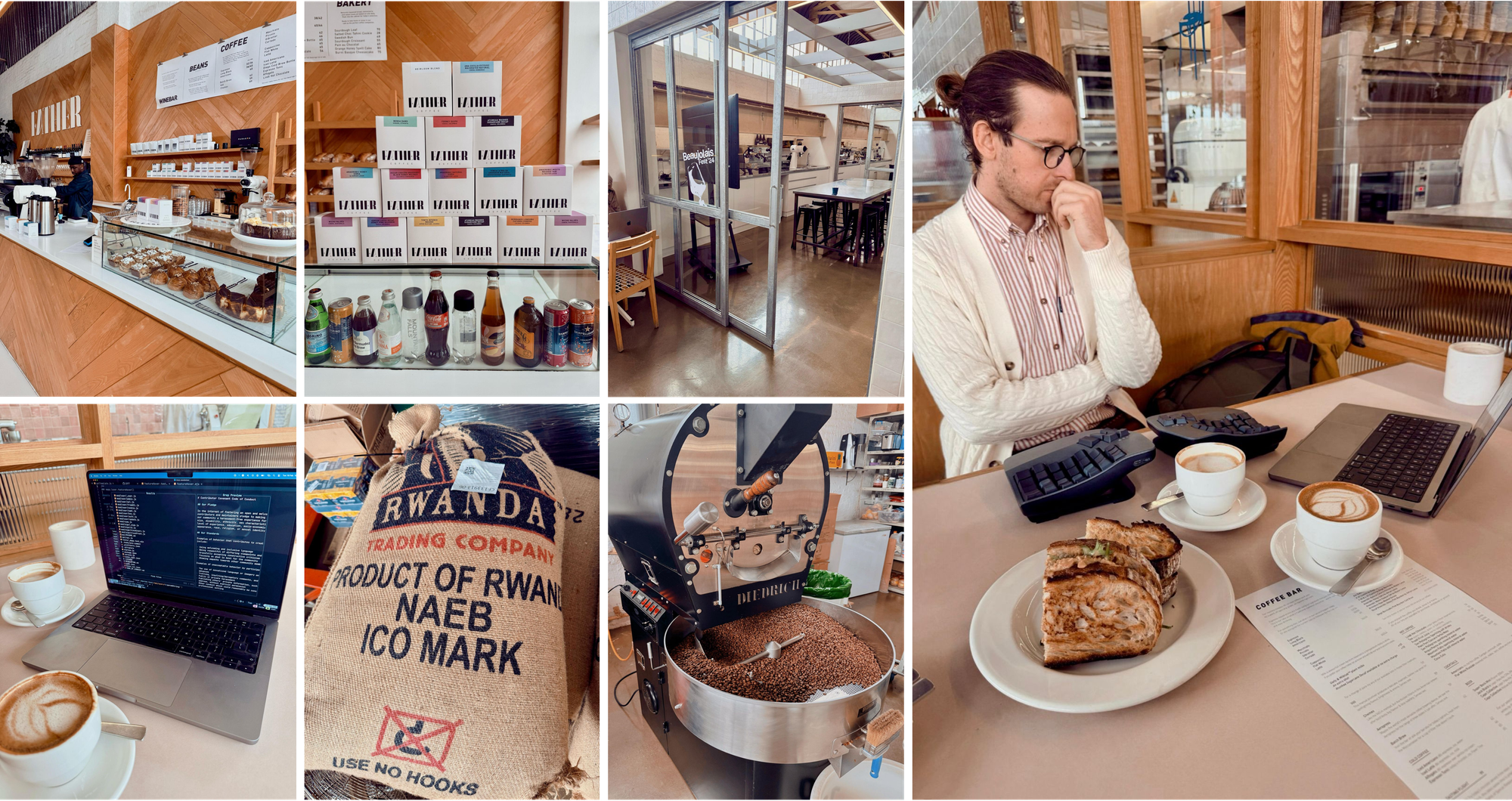
Moving northwards, coffee also forms an integral part of the fast-paced life in Johannesburg. It is not unusual for your favourite local to feature glass-panelled boardrooms, open to the public for hosting meetings and other business functions. Coffee shops, such as Father Coffee in Kramerville, recognise the importance coffee holds in facilitating business and social networking. In addition, for those not looking for a shot of adrenaline with their meeting, Father Coffee also offers two decaffeinated coffee beans, with flavour profiles that promise to knock your socks off. Indeed, this coffee shop has even hosted coffee tasting evenings devoted entirely to the unassuming but often overlooked decaf coffee bean.
The coffee scene in South Africa is certainly not married to a set of traditional views on how and when coffee should be consumed. The culture instead insists on dynamic progress and thoughtful invention. With the country’s energised forward march in the coffee arena, one can’t help but wonder if this industry will soon be garnering a global attention that rivals some of the coffee giants of the world.
Robert Hurst, Developer at GEOLYTIX
☕️Coffee in... Denmark
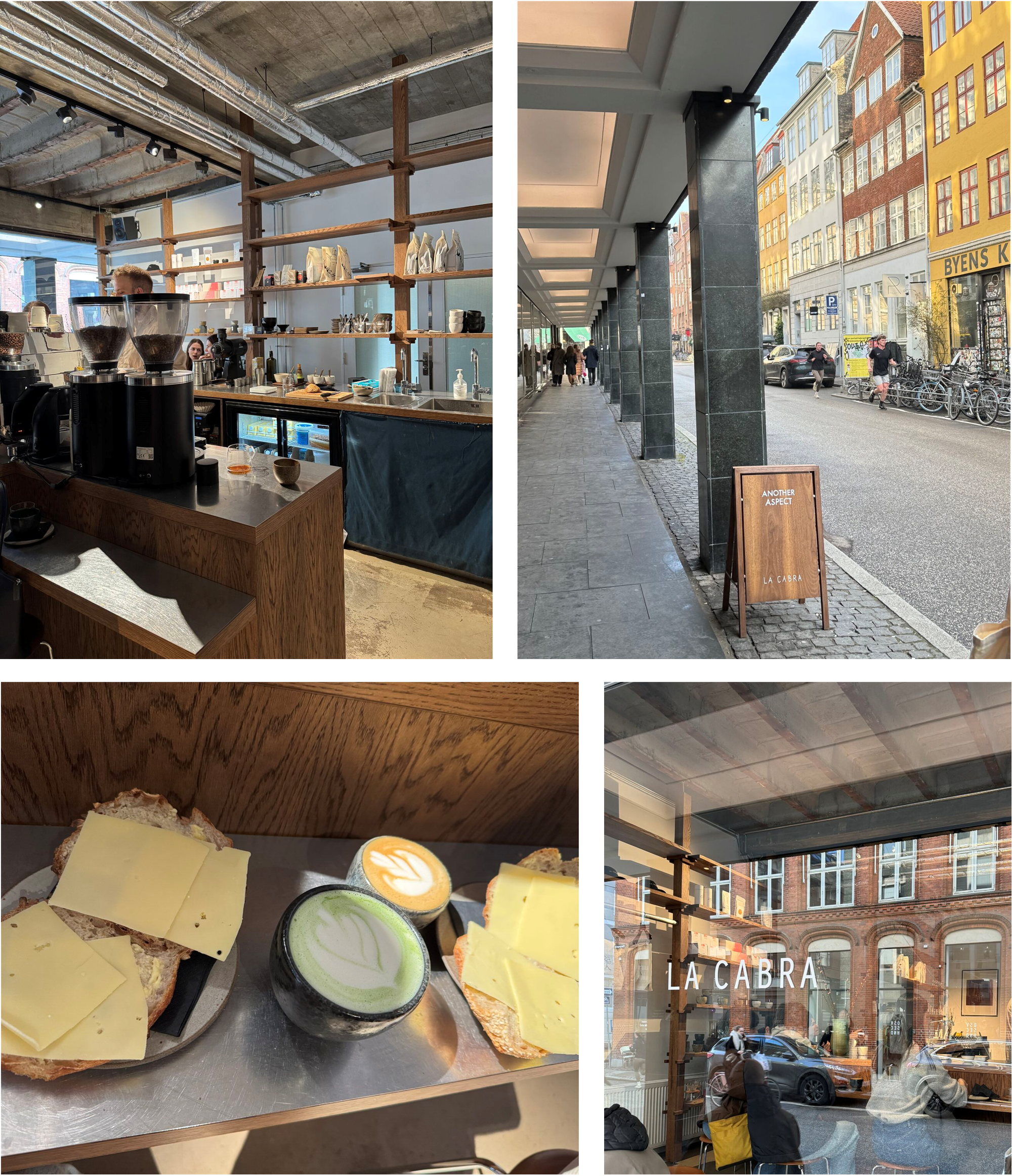
A few months ago, while walking around Bangkok🌍, I stumbled upon a cozy café with the perfect mix of warm lighting, the rich aroma of freshly brewed coffee☕, and a line of locals waiting for their morning cup. Curious, I decided to give it a try – and it was incredible. As I was leaving, I realized it was a Danish franchise. It was fun surprise to see a Danish coffee brand so far from home, so last Saturday, I decided to try it again – this time in Copenhagen.
Denmark, like the rest of Scandinavia, has a deep-rooted coffee culture. Here, coffee isn’t just about getting a caffeine fix – it’s a social ritual. People drink coffee all day: at home, at work, with friends, or even while strolling around the city.
On average, Danes drink about four cups of coffee a day. In Finland, the numbers are even higher – it’s the worlds biggest coffee consumer per capita! Coffee is usually enjoyed black, with no sugar or milk, though lattes and cappuccinos have become increasingly popular.
While global brands like Starbucks have made their way here, Scandinavia is still dominated by local specialty coffee shops. In Denmark, Joe & The Juice is a well-known name with locations worldwide. Other favorites include La Cabra Coffee, famous for its specialty brews, and Coffee Collective, which focuses on sustainability and direct trade.
In Scandinavia, coffee is linked to the concepts of hygge (Denmark) and fika (Sweden) – a moment to slow down, enjoy the present, and connect with others. It’s not just a drink, it’s an experience.
What's your experience with coffee culture around the world ☕🌍? Do you have a favorite brand?
Javiera Alarcon, Associate at GEOLYTIX
☕️Coffee in... Türkiye
A Tradition That Evolves. As someone from Türkiye, coffee has always been more than just a drink - it’s a ritual, a symbol of hospitality, and a link to our heritage. Dating back to the Ottoman Empire, Turkish coffee is about shared moments rather than just caffeine. Whether served to guests, enjoyed over deep conversations, or used for fortune-telling, coffee here is an experience.
There’s even a well-known saying: “A cup of coffee is remembered for 40 years” (Bir fincan kahvenin kırk yıl hatırı vardır), highlighting how a simple cup can create lasting bonds. Traditionally, it was even part of marriage customs - when a suitor’s family visited a bride-to-be, she would prepare and serve coffee, sometimes adding salt instead of sugar to test his patience!
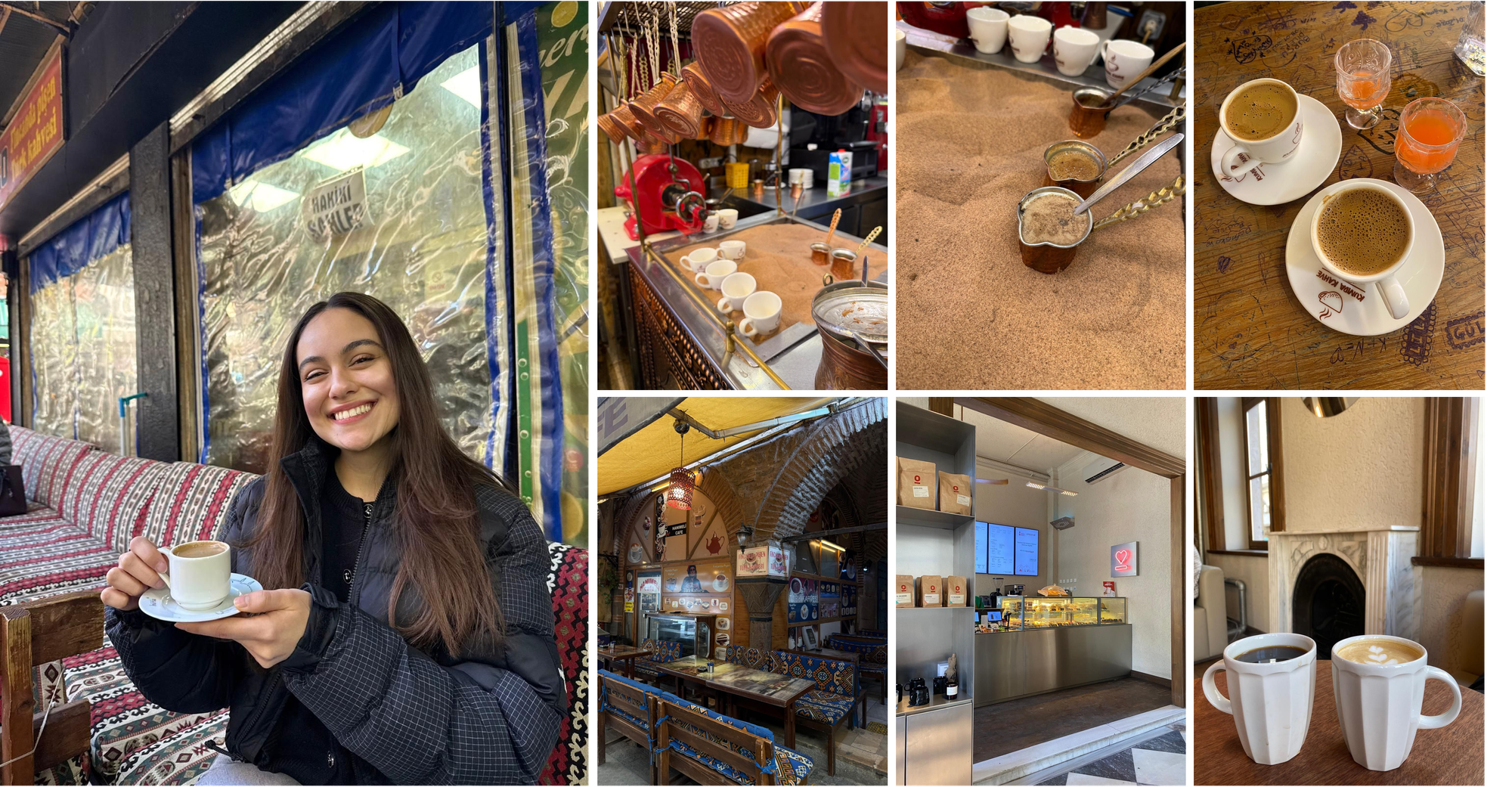
Two weeks ago in İzmir, I experienced both sides of Türkiye’s coffee culture. At a well-known retail chain, I ordered a latte - something quick and familiar. The space was filled with people working on laptops, chatting, and grabbing coffee to go. It was a modern, international coffee experience, much like you’d find in cities around the world.
But just a few streets away, I stepped into a traditional Turkish coffee house, where the atmosphere was completely different. Here, coffee isn’t rushed—it’s prepared slowly and enjoyed in the moment. I went for menengiç (a caffeine-free pistachio coffee), my personal favourite, along with kumda kahve (sand-brewed coffee) and dibek (stone-ground coffee), each with its own unique preparation and taste. Served with lokma (fried dough soaked in syrup) and Hürrem şerbeti (an Ottoman-era drink), it felt like stepping into history.
Today, Türkiye’s coffee culture is evolving. Traditional Turkish coffee houses remain, but modern speciality cafés and international chains are becoming increasingly popular, particularly in cities like İstanbul and İzmir. While global brands focus on convenience, independent cafés are thriving by offering high-quality, locally inspired experiences. Espresso-based drinks are on the rise, and takeaway coffee is becoming more common, especially among younger generations.
What I love most is how these two worlds coexist. You can grab a quick espresso from a modern café or take your time over a meticulously prepared Turkish coffee, watching the grounds settle before reading your fortune. In Türkiye, coffee has never just been about what’s in the cup - it’s about the experience, the tradition, and the connections it creates.
Asli Doga Kanturk, Client Solution Developer at GEOLYTIX
☕️Coffee in... Ireland
The Evolution of Coffee Culture in Dublin...
I’ve recently come back from a trip back to my home town Dublin where I’m continuing our ‘Coffee Around the World’ series. I left Dublin for East London nearly two decades ago and the coffee scene has evolved in ways that would make even the most seasoned barista's head spin.
Back in the early 2000s, options were limited to a few local cafes and the ubiquitous instant coffee that graced every household. Our coffee ‘culture’ is relatively new. In the past we were famous for an Irish coffee rather than an artisan coffee.
But oh, how times have changed! Today, Dublin boasts a vibrant coffee culture that rivals any major city in the world.
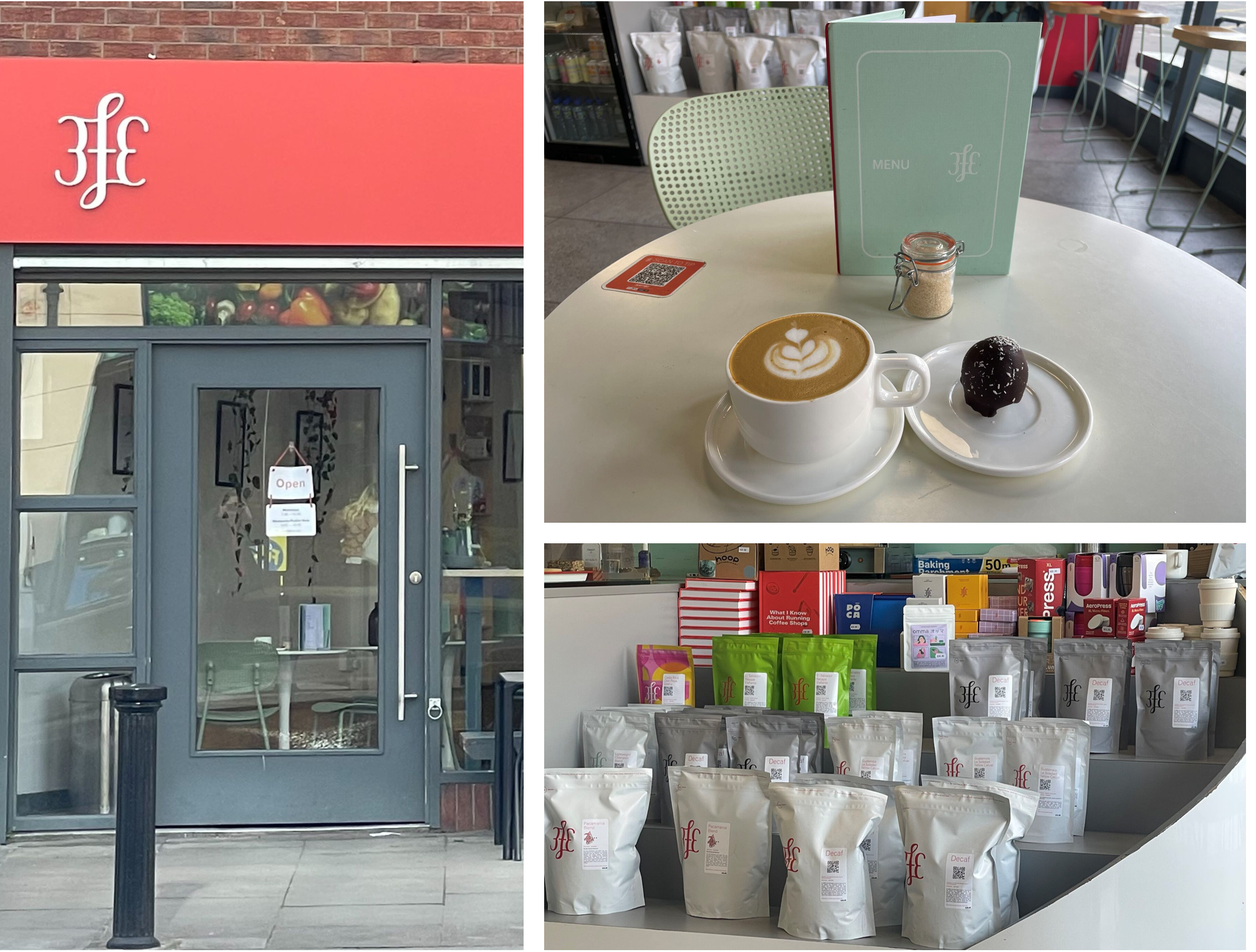
One of the shining stars in this caffeinated revolution and one of my favourites is 3fe. 3fe started as a humble pop-up in a nightclub. From these unconventional beginnings, 3fe has grown into one of the most respected coffee brands in Ireland with 8 locations in Dublin. Their commitment to quality, sustainability, and community has earned them a loyal following and numerous accolades.
During my recent visit, I made it a point to stop by a couple of 3fe’s stores. It was my first time going to their flagship store on Grand Canal Street. The atmosphere was buzzing, staff were super friendly, lots of people knew each other and would pop over to their table to say hi before heading off with their takeaway coffee.
I also had the pleasure of visiting 3fe The Triangle and stocking up on some of their roasted coffee beans and a cheeky sweet treat.
3fe is more than just a coffee shop; it's a symbol of Ireland's coffee culture transformation. Their success story is a testament to the passion and dedication of Ireland's coffee community.
Niamh Graham, Client Account Manager at GEOLYTIX
☕️Coffee in... Brazil
Back in December I had the privilige to visit Brazil for the first time to attend the Free and Open Source Software for Geography [FOSS4G] conference in Belem.
Map and software nerds are known to be coffee aficionados and we would not be disappointed congregating in the city which has the honour to host the COP30 this year.
Brazil has been the world's largest producer of coffee for the last 150 years and is currently producing about a third of all coffee.
Cafezinho do Brasil
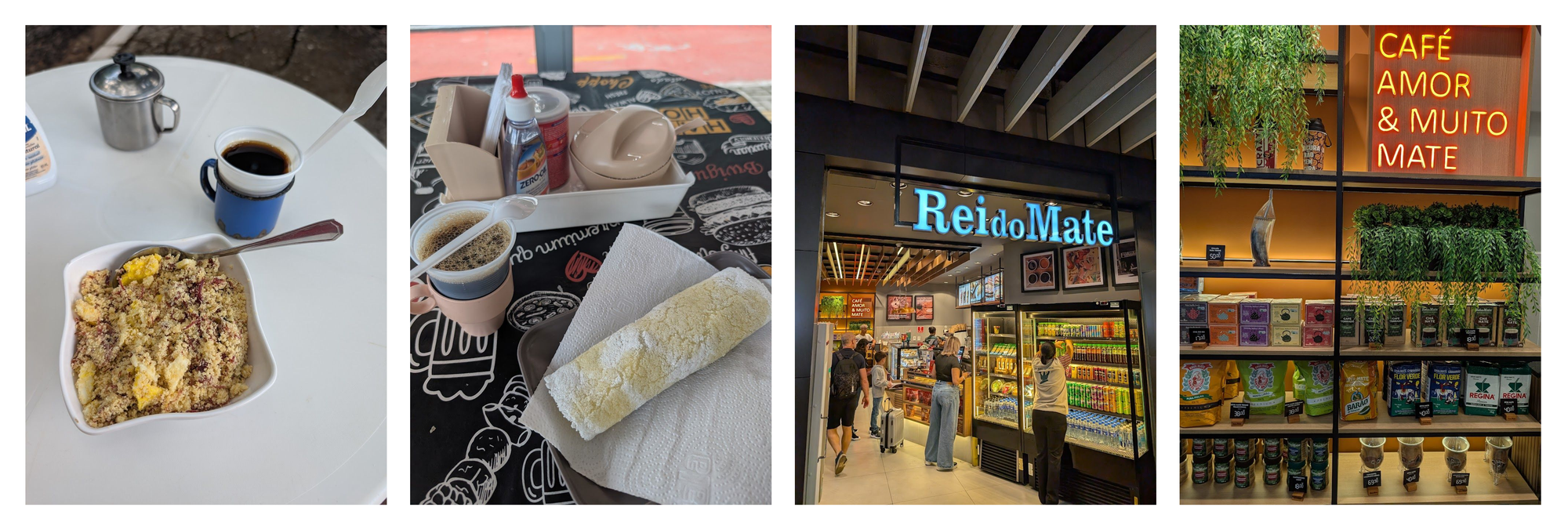
I prefer my coffee black, strong, and sweet which happens to be just the way how million of "Paraense" like their daily brew. "Cafezinho", the traditional coffee drink commonly served all around Brazil is made by adding sugar or “rapadura,” Brazil's unrefined sugar, to black coffee.
The very best made cafezinho I enjoyed from the many street vendors served in tiny plastic cups inside another cup. Yo dawg; I heard you like small coffee cups.
Rei do Mate
However Brasil is not only known for it's black brew. Just as famous is "mate", a caffeinated herbal drink also known as "chimarrão" and enjoyed communally. It's made from the dried leaves of the yerba mate plant (Ilex paraguariensis) and traditionally served in a gourd with a metal straw (bombilla).
There are many speciality shops selling all kinds of mate products. My favourite being an iced mate shake from the King [Rei] of Mate.
Dennis Bauszus, Developer at GEOLYTIX
☕️Coffee in... France
☕Coffee in France: More than just a drink, it’s a way of life
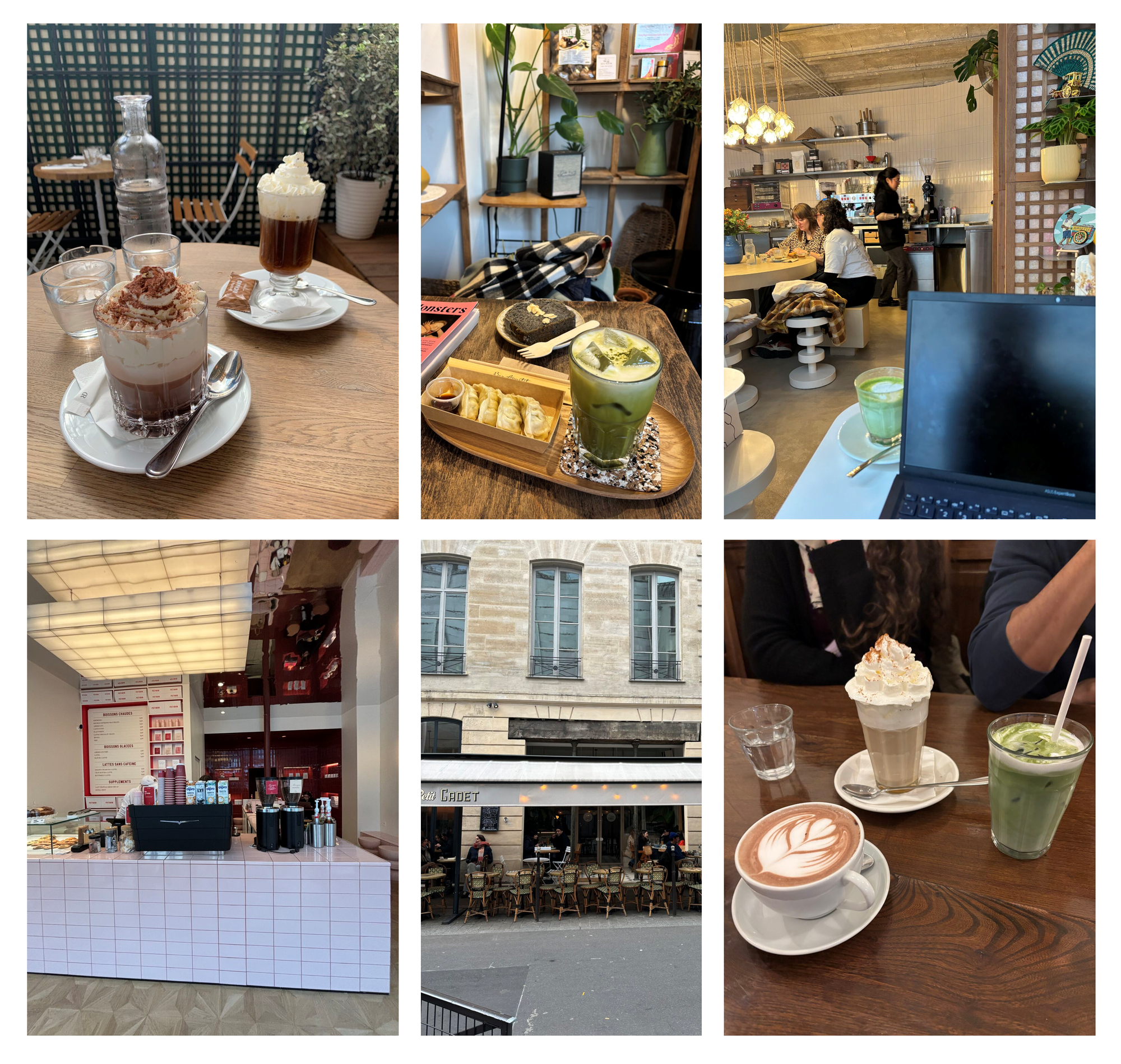
I’ve been in the UK for more than 5 years now and whenever I go back to France, one of my favourite things to do is just sitting on a terrace, a café viennois in hand, soaking up the moment. Whether it’s a quick espresso at the bar before work, a long lunch break with colleagues, or a weekend catch-up with friends over pastries, coffee and, therefore, cafés are at the heart of daily life in France.
While in the UK, coffee often comes in a takeaway cup and is more about convenience, in France, it’s an experience. Cafés are places to pause, chat, and connect. And while the classic neighborhood brasserie is still going strong, France’s coffee scene is evolving in exciting ways.
🌍A coffee culture that’s both timeless and cosmopolitan
Paris is a good example of how France is embracing global influences. Spots like Café PetitBon bring a fresh, modern feel to the traditional coffee shop. At Kapé, in the 11th arrondissement, you can sip on a Filipino Ube latte and taste an ube ice cream which brings a whole new dimension to the coffee break. And then there’s ONOUL, a cozy Korean café in the 15th arrondissement, where locals gather in an intimate, welcoming space and can enjoy some sesame cake with their coffee. These cafés add to the rich tapestry of French coffee culture, proving that tradition and innovation can coexist and bring people together.
🥤What About Big Coffee Chains?
Of course, international names like Starbucks and Pret have found their place in France, particularly in business districts and train stations and bring convenience and reliable coffees on the go. They are particularly popular among students/young people who can come work with their laptop for a few hours, which is not always possible in smaller, neighbourhood cafés!
💬How Do You Like Your Coffee?
I love seeing how France’s café culture continues to evolve while keeping its soul intact. Do you prefer the classic café crème at a traditional brasserie, or are you more into exploring new specialty coffee spots? Any favorite cafés - Parisian or beyond?
Sonia Traore, Senior Consultant at GEOLYTIX
☕️Coffee in... Spain
With just a day to explore, I set out on a mission: to experience both Valencia’s traditional café scene and its growing specialty coffee culture—one cup at a time.
No visit to Valencia’s café scene is complete without trying horchata de chufa. I started my day at the Mercat Central and tried horchata, a refreshing, slightly nutty drink made from tiger nuts.
While tradition holds strong, Valencia’s coffee scene has evolved in recent years, with independent roasters and third-wave coffee shops popping up all over the city.
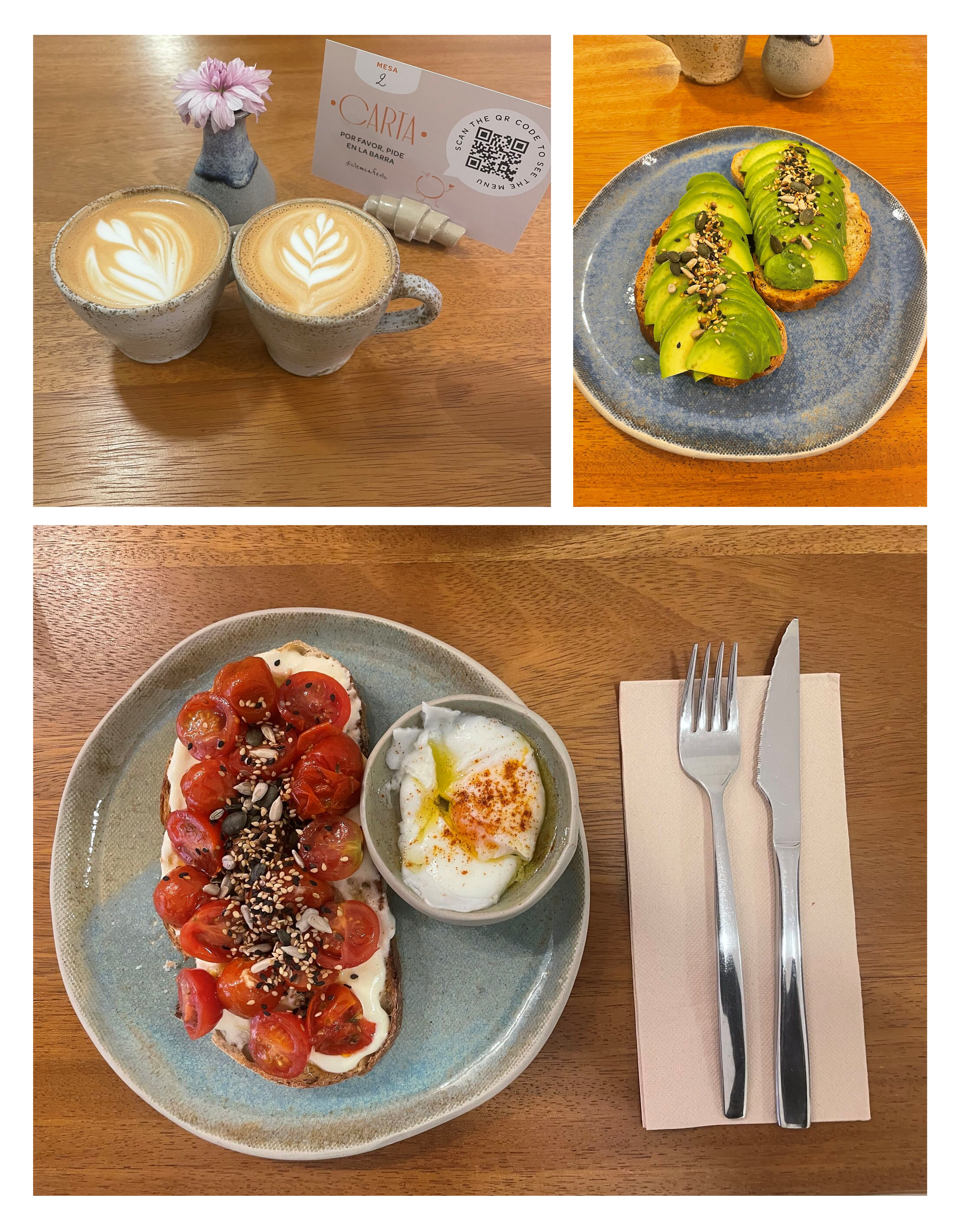
Next stop was Clem Cafe that serves all day brunch. The classic Spanish breakfast, a tostada is a must.
Then I made my way to Ruzafa, Valencia’s artsy, bohemian district, where the specialty coffee scene is thriving. My first stop is Blackbird Café, a small but stylish café that takes its coffee seriously. I order a flat white, and it’s hands down one of the best I’ve had in Spain—smooth, balanced, and expertly poured. The café itself is warm and welcoming, filled with the hum of conversation and the smell of freshly ground beans.
Later that day, I had a final coffee stop at Los Picos Café. It's a cute corner café with a nice leafy terrace. Sitting outside in March is always a treat.
As I walk back toward the train station, I know one thing for sure: I’ll be back. I'm eager to return to Valencia to explore more of its cafés and panaderias, especially to try more of the traditional treats.
Have you explored Valencia’s café culture? ☕ Let me know your favourite spots, I’ll add them to my list for next time!
Niamh Graham, Client Account Manager at GEOLYTIX
☕️Coffee in... China
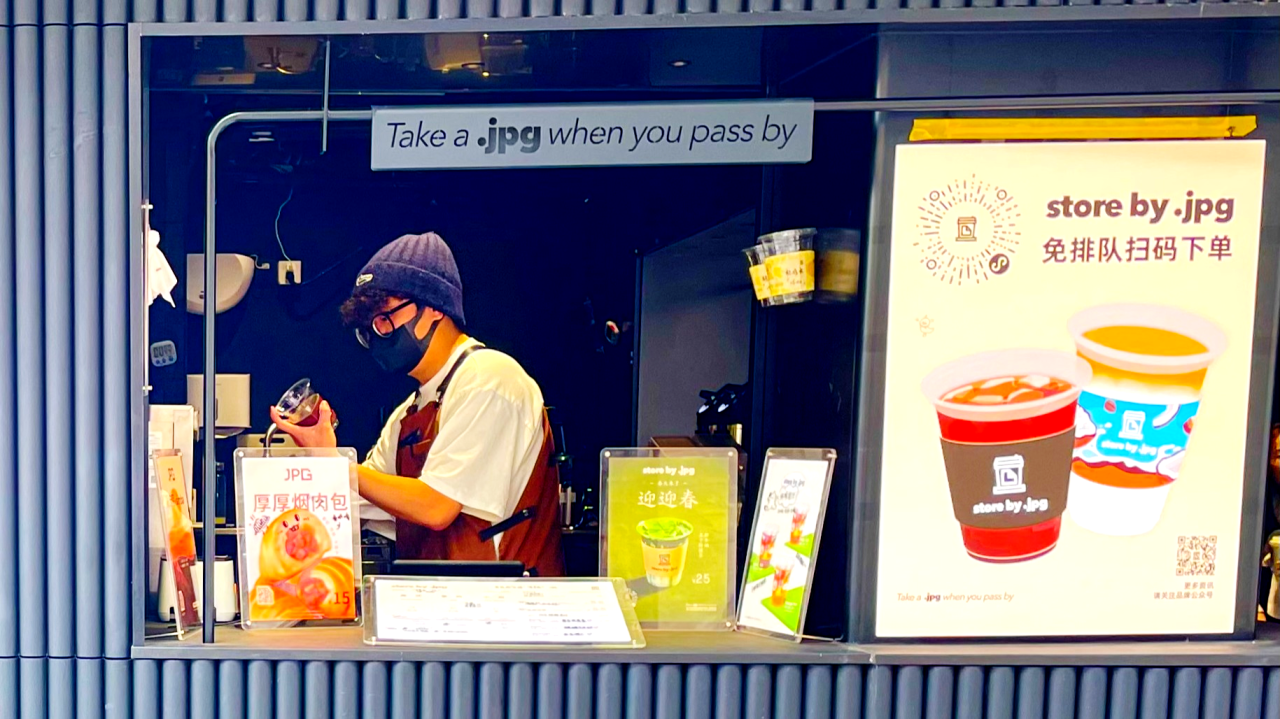
Let me take you to a small coffee chain in my city, Guangzhou.
It all began with a small WINDOW back in 2017- not even a "proper" coffee shop.
It was purely relying on pickup and delivery, with just three items on the menu: Americano, Latte, and Flat white - you could choose various coffee beans, plus sea salt Croissant occasionally – depending on your luck of the day. A cup of their typical Latte costs 21RMB (vs. 16RMB at Luckin Coffee, and 30RMB at Starbucks.)
Beyond that, it's got a special social element:
"We hope that customers will take a photo of the coffee and store it in a .jpg format while enjoying it. Hence our slogan: take a .jpg when you pass by."
There you get their name: Store by .jpg.
Simple business model, isn't it? Perhaps so simple that you may even worry if it could sustain in such a competitive coffee environment in China.
You might have read that coffee consumption has been booming in China with "an annual growth rate of 15%" in recent years, but this is also against the hugely surging supply.
Starbucks locations in China increased from some 3,000 in 2017 to over 8,000 by Q1 2025. Luckin coffee grew from zero store before 2017 to 10,000 stores in 2023, and 22,954 by Q1 2025!! Over the years, the market has witnessed both the new entries of international players such as Tim Horton, Doutor, Peets, % Arabica, Blue Bottle, etc., and the rapid development of numerous domestic chains from ground-breaking.
Coupled with this are "coffee @9.9 RMB-price war" headed by local players, aggressive coupon storms, and "COFFEE PLUS EVERYTHING" campaign- coffee brands "blending" with tea, Maotai (Chinese national liquor), fashion, cartoon, and luxury brands events... Not to mention that you can easily get coffee from the fast-food restaurants, the convenience stores, and the mushroomed day-coffee-night-pub boutiques…
Therefore after 7 years, what have happened to store by .jpg?
Fortunately, it survived the "mask periods" (i.e. Covid impact), the "9.9-RMB-price war", and perhaps some other twists and turns. To date, it has 86 shops in 7 cities, with location types ranging from offices, malls, to tourism landmarks.
Behind that are constant evolutions: Most of the new stores operate dine in with seats now. Every store has got a unique design- echoing the theme of "take a .jpg when you pass by". The menu expanded from 3 items to at least 18 items – some branches offer fruit juice, hamburger, fried chicken and even spaghetti...
What has not changed is their engagement with young people, besides the aroma.
From affiliation with youngsters' favorite brands to pop-up event, crossover, etc., they've always got some smart ideas to make it special, so that you may want to record and share...
They launched dedicated coffee series and developed secret theater clues in particular locations when the Chinese troupe of the Phantom of the Opera came to Guangzhou. They introduced a special edition of coffee served in bowl tea style for a new opening in Chengdu. They even launched wedding souvenirs and new-baby gifts for their customers, just like a friend in the community…
"In order to be irreplaceable one must always be different"--Coco Chanel. I guess that's what in their playbook?
Anyway... time to grab a coffee! Well, which one shall I choose today?
Coco Lin, Project Director at GEOLYTIX
☕️Coffee in... UK
I bring the GEOLYTIX Coffee Around the World series to an end in the UK.
Traditionally a tea-drinking nation, the UK has seen a major shift toward coffee. Offering a blend of fast-paced convenience while also a growing appreciation for artisanal quality.
Coffee plays a big role in work life - grabbing a takeaway before the office or having a meeting in a coffee shop is common. I would bet many of you have a favourite coffee spot you frequent near your work or home.
Costa, the UK’s largest branded coffee chain, Starbucks, Greggs, Caffè Nero, Pret are everywhere. These are the go-to spots for quick coffee fixes, remote working, and casual meetups.
In recent years, there's been a big rise in independent cafés, particularly in cities and towns. These places focus more on specialty coffee, ethically sourced beans, and skilled baristas. It's now evolved beyond the “third-wave” coffee scene - think cold brew, precise & experimental brewing techniques, sustainability and transparency.
I thought I’d pick out some of my favourite coffee stops in my home city, Sheffield.
Sheffield's coffee culture offers a rich blend of quality, creativity, and community. The city's independent coffee scene has flourished over the past decade and the city is known for its numerous independent coffee shops and roasters.
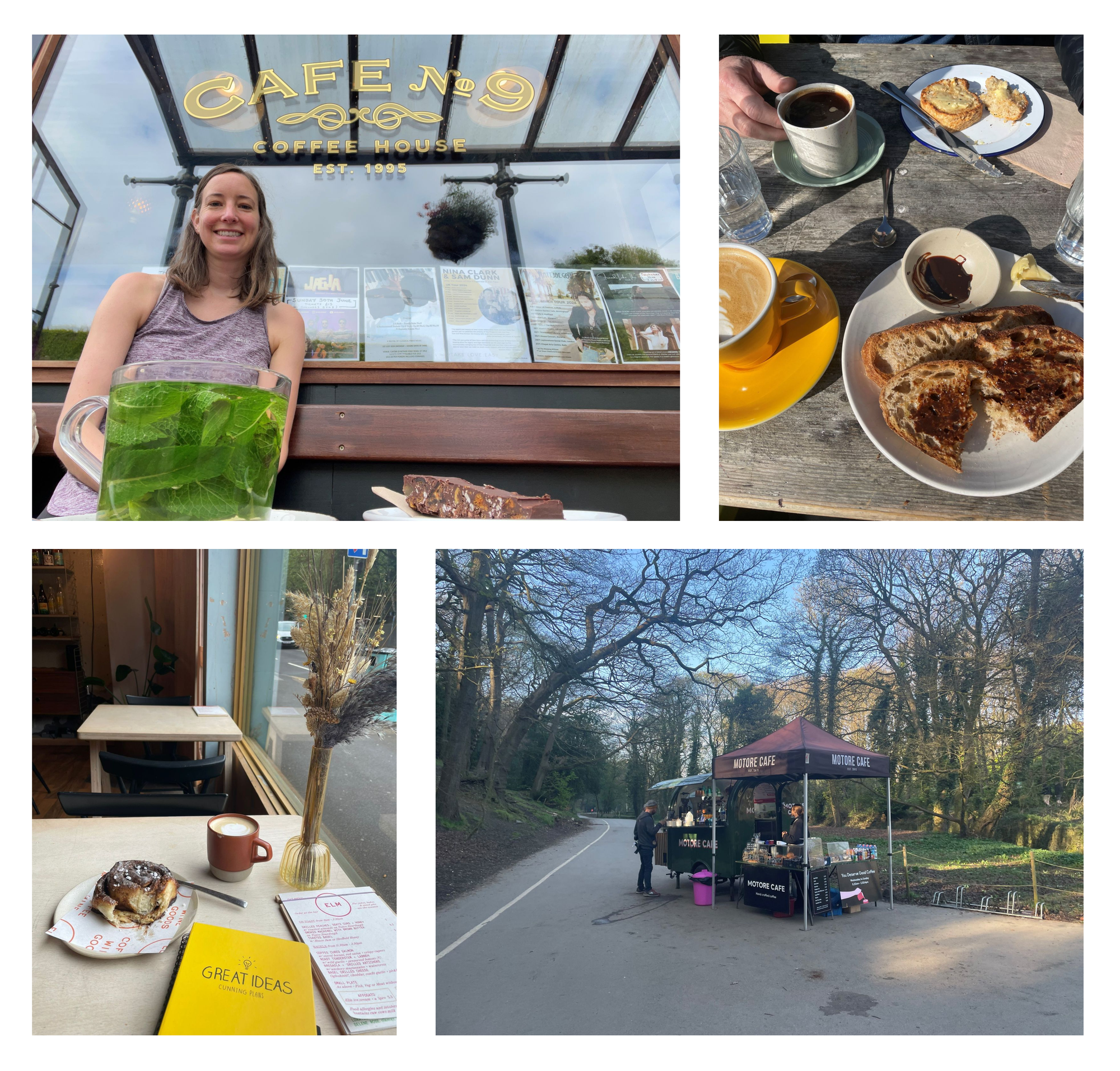
☕️ Cafe#9 (Nether Edge) - Perfect for weekend mornings. Think friendly regulars, calming decor and a good soundtrack.
☕️ Motore (Bingham Park) - Ideal place to pick up a coffee to walk along Porter Valley with. A mobile coffee unit, they also have locations at Sheffield Train Station and Weston Park.
☕️ Tonco (Sharrow Vale) - Delightful neighbourhood bakery. The bonus of a sun trap terrace when the weather allows, and a great place for a coffee break when I’m working from home.
☕️ Elm (Broomhall) - Speciality coffee, bespoke cakes and natural wines. Always a great way to start my working from home days. And this month Restaurant Elm launches in the evenings.
There are so many others like Puck & Pollen, North Town, Made by Jonty, Steam Yard, too many to name. If you’re ever in need of a recommendation for a coffee place in Sheffield feel free to drop me a message, there’s bound to be the perfect spot for you.
Louise Cross, Product Manager at GEOLYTIX

Related Posts
-
Data Scientists in Location Planning: Why Site Visits Matter
Data driven models guide location decisions, but real-world site visits reveal key details on accessibility, visibility, and footfall nuance. Data Scientist, Amy, explains why...
Published 14th September 2026 • Tags our-team, market-visits
-
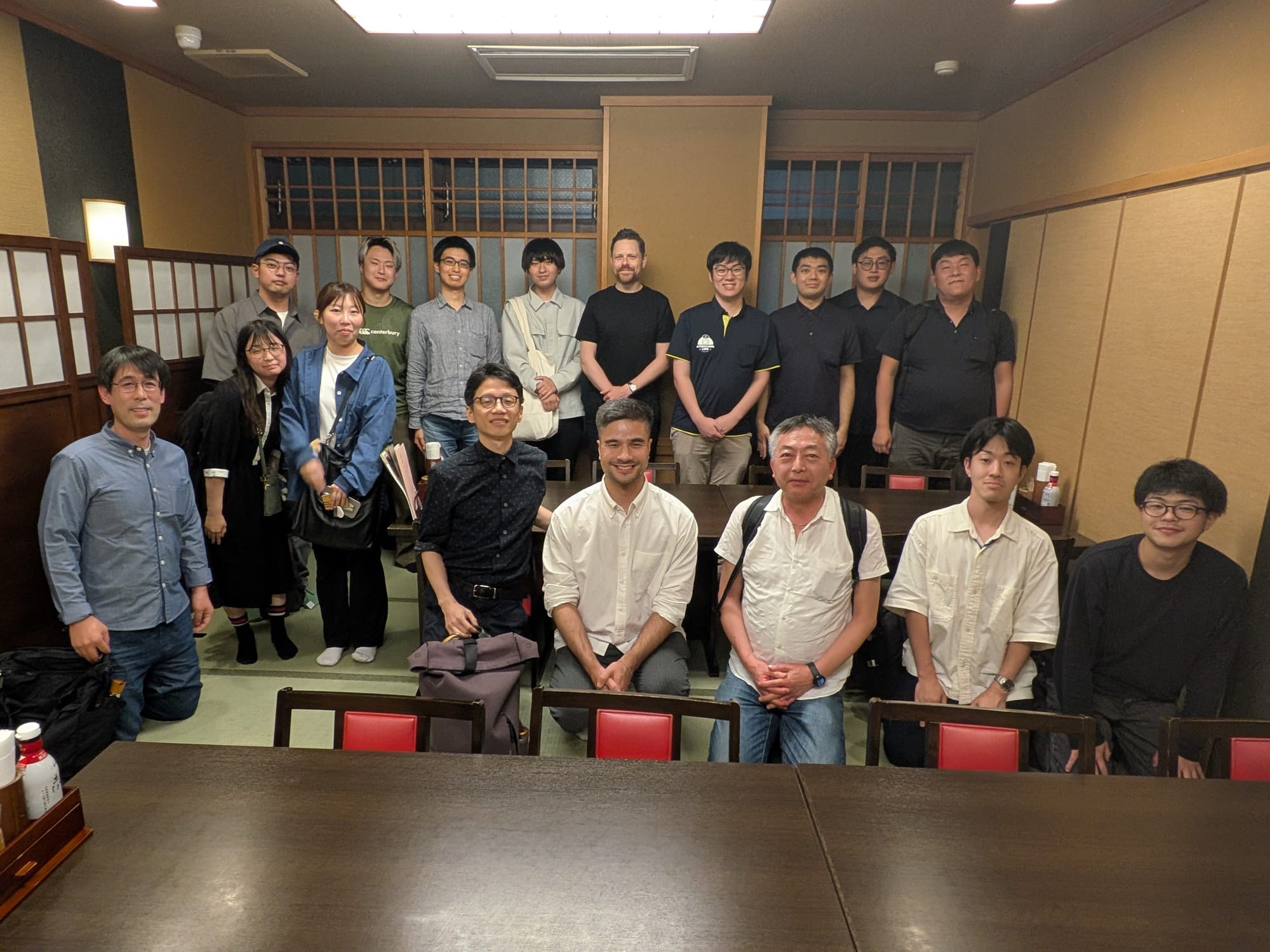
Bridging Academic Research and Location Planning – A Month Working from Japan
Every year James Todd spends a month in Japan combining data science at Geolytix with teaching, proving how academic research sharpens client work.
Published 6th August 2026 • Tags our-team
-

The Big Spend: Highlights from the Data Science Hackathon
Each year we host a Data Science Hackathon. Danny shares the theme for this years.
Published 16th April 2026 • Tags our-team